When sourcing components for bathroom and kitchen hardware, procurement managers and product developers often face a critical crossroads: Zinc Alloy vs. Stainless Steel Faucet.
While stainless steel has long been associated with “premium” branding, zinc alloy die casting has emerged as the superior choice for complex geometries, dimensional stability, and cost-effectiveness. As a professional zinc alloy die casting factory, we specialize in converting design concepts into high-performance zinc die casting components.
In this guide, we will break down the technical differences, cost structures, and why Zamak alloy die casting is the preferred manufacturing process for high-end faucets and accessories.
1. Material Composition & Manufacturing Process
To understand the performance of a faucet, you must look beneath the surface finish.
Stainless Steel Faucets
Stainless steel faucets are typically made from 304 or 316 stainless steel. The manufacturing process usually involves welding multiple stamped or bent sheets of metal together. While durable, this method has limitations:
-
Thin walls: To save costs, walls are often thin, leading to a “hollow” sound.
-
Welding seams: These are potential weak points for corrosion if not finished perfectly.
-
Geometric limits: Complex, sharp angles are difficult to achieve without costly machining.
Zinc Alloy Faucets (Zamak)
Zinc alloy die casting utilizes Zamak—a family of zinc-aluminum alloys. Through high-pressure zinc die casting, molten metal is injected into precision steel molds (dies). This process allows for:
-
Thick, robust walls: Providing a solid feel and sound dampening.
-
Complex net shapes: Intricate designs, logos, and ergonomic handles can be cast in a single step.
-
Superior surface finish: Ideal for electroplating (chrome, PVD, brushed nickel) without the pitting issues sometimes seen in cast stainless.

zinc alloy vs steel stainless faucet
2. Performance Comparison: Durability, Corrosion & Feel
For international buyers, the “feel” of the product often dictates the retail price point. Here is how zinc alloy die casting parts manufacturers compete against stainless steel.
| Feature | Zinc Alloy (Zamak Die Casting) | Stainless Steel |
|---|---|---|
| Corrosion Resistance | Excellent when plated. Zamak offers inherent corrosion resistance; combined with high-quality electroplating, it surpasses salt spray test standards. | Excellent inherently, but welding seams can rust over time if the water chemistry is aggressive. |
| Structural Integrity | High tensile strength. Zamak 3 and Zamak 5 offer superior impact resistance and dimensional stability. | Strong, but welded joints can fatigue or crack under thermal stress (hot/cold cycles). |
| Design Flexibility | Unmatched. Allows for thin walls, sharp threads, and complex internal waterway designs. | Limited to simpler shapes; complex designs require expensive CNC post-processing. |
| Weight & Feel | Heavier and denser, giving a “luxury” solid feel. | Lighter; high-end models may use thicker gauges, but this increases material cost significantly. |
| Cost Efficiency | Highly efficient for high-volume runs. Minimal material waste. | Higher raw material cost; welding and finishing are labor-intensive. |
3. The Zamak Advantage: Why Choose Zinc Alloy Die Casting?
If you are sourcing Zinc alloy faucet components, you are likely looking at Zamak alloys. As a dedicated Zinc alloy die casting factory, we utilize specific Zamak grades to meet different application requirements:
-
Zamak 2: Known as the “workhorse.” It offers the highest strength and hardness. Ideal for components subject to high wear, such as valve stems and handle mechanisms.
-
Zamak 3: The industry standard. It provides an excellent balance of strength, ductility, and finishing quality. It is the most commonly used material for zinc die casting components in faucet bodies and handles.
-
Zamak 5: Similar to Zamak 3 but with increased copper content, offering superior strength and hardness. It is preferred for heavy-duty lever handles that require exceptional tensile strength.
When you partner with a professional zamak alloy die casting provider, you benefit from:
-
Net Shape Manufacturing: Reduction or elimination of machining costs.
-
Plating Readiness: Zamak surfaces are chemically homogeneous, ensuring a flawless chrome or PVD finish without blistering.
-
Long Tool Life: Unlike aluminum or steel dies, Zamak casting is gentle on molds, ensuring consistent tolerances over hundreds of thousands of cycles.
4. Addressing the Buyer’s Concerns: Quality & Standards
As a procurement specialist searching for zinc alloy die casting parts manufacturers, your primary concerns are likely quality assurance and supply chain reliability. Here is how a professional Zinc alloy die casting factory addresses these:
-
Leak-Proof Integrity: Our zinc die casting process utilizes high-pressure injection to eliminate porosity. This ensures that faucet bodies and waterway components are non-porous and pass rigorous air pressure tests (typically 8-10 Bar).
-
Precision Threading: Because zinc alloy can be cast to tight tolerances, we can produce precise internal threads for spouts and connectors, reducing the need for secondary tapping operations.
-
Compliance: Reputable factories ensure that materials comply with NSF/ANSI 61 and RoHS standards, ensuring that the Zinc alloy faucet is safe for potable water applications in North American and European markets.
5. Cost Analysis: Total Cost of Ownership (TCO)
For high-volume OEM orders, the total cost of ownership is where zinc alloy die casting outperforms stainless steel.
-
Material Cost: Zinc scrap is highly recyclable. In a closed-loop system, a zinc alloy die casting factory recycles runners and scrap immediately, reducing raw material consumption by up to 30% compared to stainless steel machining.
-
Labor Cost: Stainless steel fabrication requires skilled welders and polishers. Zamak casting automates the process. One casting machine can produce thousands of units per day with minimal operator intervention.
-
Logistics: The high density of zinc means you get a premium-feeling product without the premium shipping volume. However, the “weight to quality” ratio often allows brands to justify higher retail prices.
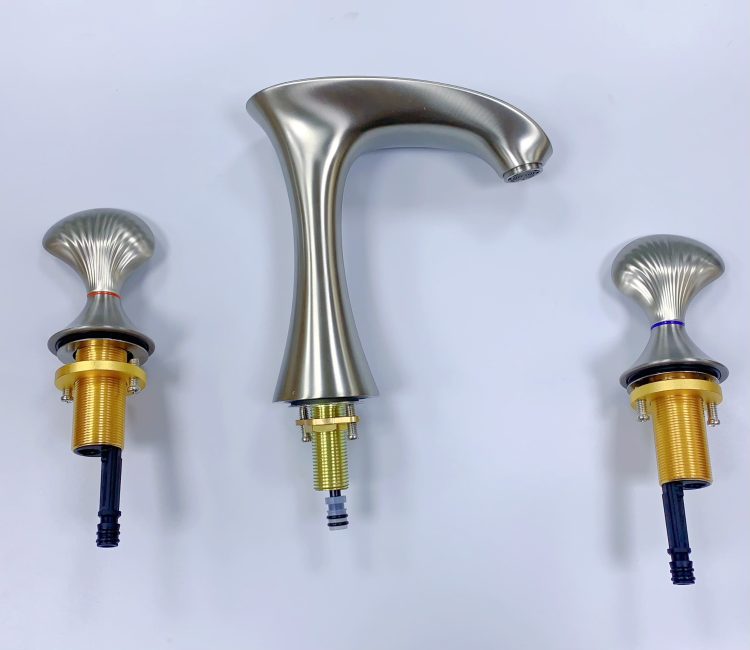
zinc alloy bathroom faucet
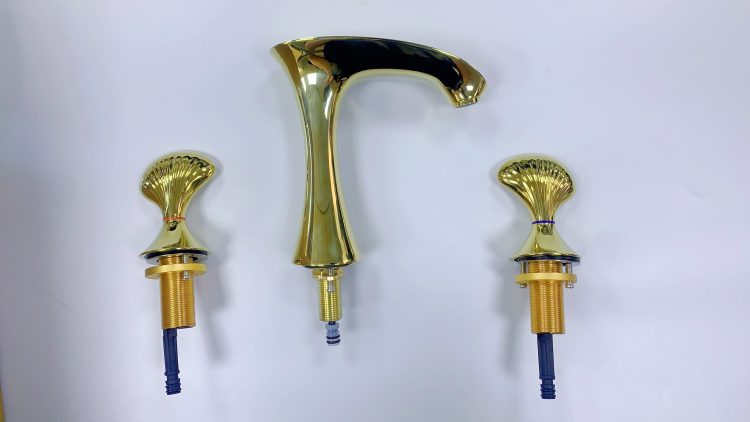
Zinc alloy faucet
Conclusion: Why Partner with a Specialized Zinc Alloy Die Casting Factory?
Choosing between a Zinc alloy vs stainless steel faucet depends on your product strategy. If you require complex designs, a luxurious heavy feel, and cost-effective mass production, zinc alloy die casting is the definitive solution.
As an experienced Zinc alloy die casting factory, we offer end-to-end support for faucet and accessory manufacturing. From Zamak 2 high-wear components to Zamak 3 precision bodies, we provide zinc die casting components that meet the strictest international standards.
If you are looking for a reliable partner in zamak alloy die casting, contact us today to discuss your custom faucet project. Let us show you how precision casting can elevate your brand.